Paint by Numbers Supplies Checklist
We may earn a commission when you buy through links on this page, at no extra cost to you. How this works.
If you bought a kit, you have about 70 percent of what you need. If you're painting a custom pattern from your own photo, you're starting from zero. Either way, this checklist covers everything, split into what you actually need, what makes it easier, and the extra bits for custom patterns.
The short version
Need:
- Canvas, canvas panel or canvas paper
- Numbered outline on that surface
- Acrylic paint
- Two or three small brushes (a fine round and a small flat)
- Palette or small cups with lids
- Water cup and paper towels
- Good light
Nice to have:
- Extra detail brushes
- Desk lamp with a daylight setting
- Magnifier
- Tabletop easel
- Brush soap
- Spray varnish
- Apron or old shirt
- Storage box
For custom patterns:
- Printer or print shop
- Graphite transfer paper, a light box or a window
- Fine pencil (2H or HB) and eraser
- Masking tape
- The palette sheet, printed
Now the details, with what to look for in each.
The essentials
A painting surface
Kits come with a printed canvas. For custom patterns, you've got three choices:
- Stretched canvas: looks like real art, hangs without a frame. Harder to trace onto because it flexes.
- Canvas panels (canvas glued to board): flat and firm, easy to transfer onto, fits standard picture frames.
- Canvas paper: cheapest, easy to trace with a light box, best for practice.

Simetufy 11x14 Canvas Panels, 12 Pack
Flat, primed cotton panels in a standard frame size. The easiest surface for transferring a custom outline.
View on AmazonPaint
Acrylic, every time. It dries fast and washes off brushes with water. For custom patterns, a 12 or 24 color set plus extra white covers almost any palette. The paint guide has more options.

Liquitex BASICS Acrylic Set, 24 Tubes
Medium viscosity and lightfast, with enough colors to mix most palettes without much fuss.
View on AmazonBrushes
You need one fine pointed round brush for edges (size 0 or 00) and one slightly bigger round or small flat for filling. Kit brushes work for a while but lose their point quickly.

Golden Maple Detail Brush Set, 10 Pieces
A range of small detail brushes for both the tiny cells and the edges. A good replacement set when kit brushes start to splay.
View on AmazonSomewhere to hold paint
Kit pots work until you open 24 of them at once and half dry out. A lidded palette keeps paint workable between sessions.

Airtight Paint Palette With Lid, 30 Wells
Thirty wells is enough for a full custom palette with room to spare, and the lid seals so mixed colors last.
View on AmazonWater, towels and light
Any jar works for water. Paper towels or an old cotton rag for blotting. And light. Paint by numbers in a dim living room is a recipe for painting number 18 where number 13 should go.
Nice to have
Better light
A desk lamp with a neutral or daylight setting makes colors easier to tell apart, especially similar shades on a 30+ color pattern.

Five color temperatures and five brightness levels. The daylight setting is what you want for judging paint colors.
View on AmazonBrush cleaning
Acrylic that dries in the bristles near the metal ferrule is what kills brushes. Rinse often, and wash with brush soap at the end of each session.

MyLifeUNIT Brush Cleaner With Palette
A rinse cup, brush holder and mixing palette in one. Keeps brushes off the table and bristles out of the water.
View on AmazonVarnish
Once the painting is completely dry (give it a few days), a light coat of spray varnish protects it and evens out shiny and matte patches.

Liquitex Professional Spray Varnish, Gloss
Acrylic polymer varnish made for acrylic paintings. Spray outdoors or in a well ventilated room.
View on AmazonStorage
If you do this regularly, keep everything in one box. Paint, brushes, tape, pencils, the palette sheet of whatever you're working on.

Lift up trays with dividers for tubes and brushes. Closes up so the kitchen table goes back to being a kitchen table.
View on AmazonExtra gear for custom patterns
When you make a pattern from a photo with the free PaintNumbered tool, you get a numbered outline as a PDF in Letter, A4, 8x10, 11x14 or 16x20 inches, plus a colored preview and a palette sheet with every color's hex code and nearest common color name. Getting that onto canvas needs a few extras.
Transfer supplies
Graphite transfer paper is the most flexible method. Tape the printout over the canvas with the transfer sheet underneath and trace the lines.
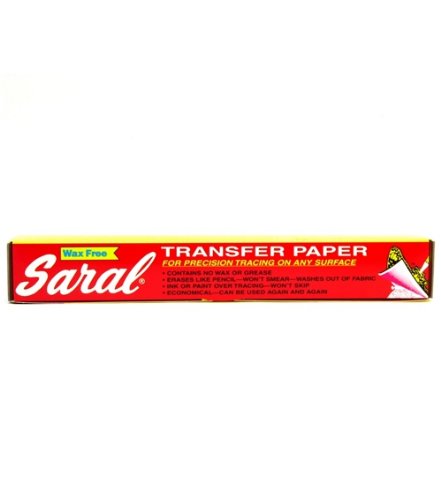
A long standing favorite among artists for clean, erasable lines that don't smear into paint.
View on AmazonA light box is faster if you're working on canvas paper. The transfer guide compares every method.
Make a pattern from your own photo
Free and private. Your photo never leaves your device, and the printable PDF is ready in under a minute.
Open the free generatorPrinting
Letter and A4 work on any home printer. For 11x14 and 16x20 PDFs, a print shop is the easy route. Print the palette sheet too, and keep it beside you while painting.
Setting up your space
Where you paint matters as much as what you paint with. Pick a spot near a window if you paint during the day. Cover the table with kraft paper or an old shower curtain. Keep the water cup on the side of your non painting hand, so you don't reach across the canvas. And sit so the light comes from the side opposite your painting hand, which keeps your own shadow off the cells you're working on.
A quick note on budget
You don't need everything on this list. A canvas, a small paint set, two brushes and a lidded palette will get you through your first painting. Add the rest when you find out what annoys you. For most people it's the light, then the brushes.
New to this? Read the beginner tips before you start.
FAQ
Do paint by numbers kits come with everything?
Most kits include a printed canvas, paint pots and two or three brushes. They don't include good light, a water cup or varnish, and the brushes are usually basic.
What brush sizes do I need?
A size 0 or 00 round for edges and small cells, and a size 2 to 4 round or small flat for filling bigger areas. That covers most patterns.
Can I use regular printer paper as the canvas?
You can paint on it for practice, but thin paper wrinkles under acrylic. Canvas paper or cardstock works much better.
How do I keep paint from drying out between sessions?
Use a lidded palette or small cups with lids, and add a drop of water before closing. Kit pots should be snapped shut tightly every time you stop.